Day One – Introduction and Basic Concepts
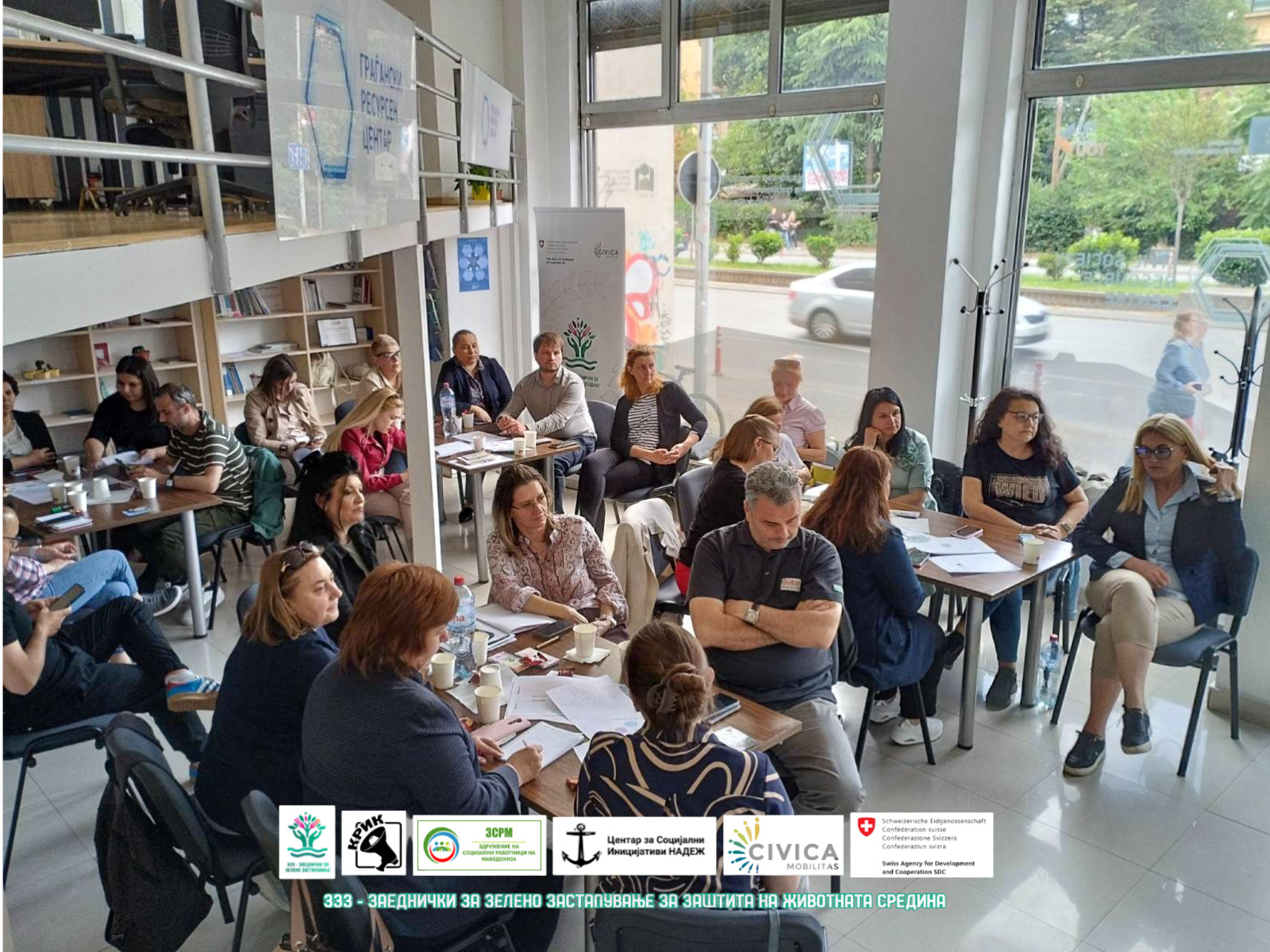
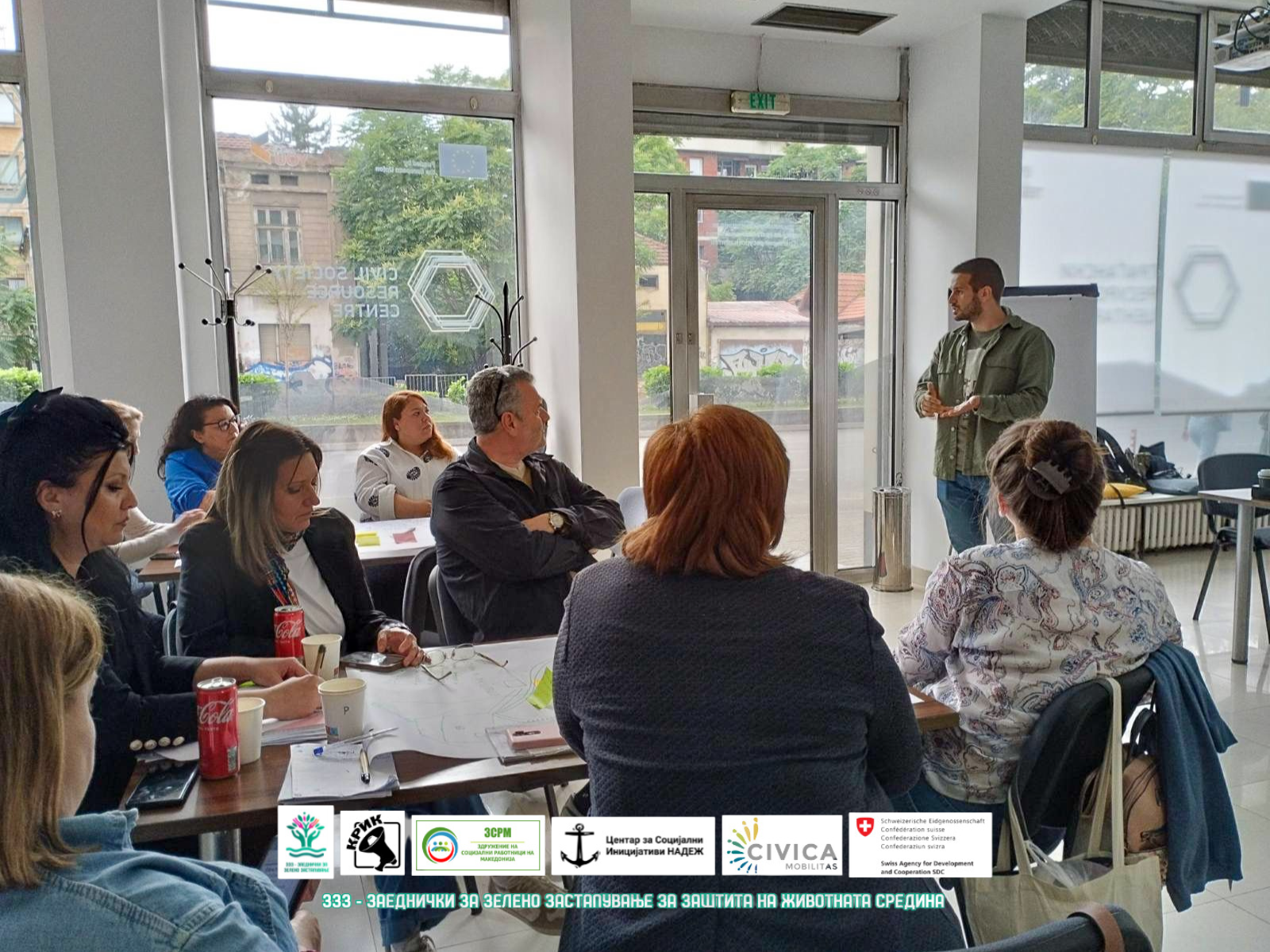
The training began with an introductory session and a creative icebreaker exercise, “First Association,” which helped set an open and collaborative learning environment. Participants then discussed legal issues related to environmental protection and took part in the simulation exercise “Shipwreck,” which addressed ethical dilemmas, responsibility, and justice in the context of social and environmental protection. The afternoon focused on green social work and the connection between social services and environmental sustainability, exploring good practices and ongoing challenges.
Day Two – From Analysis to Strategy
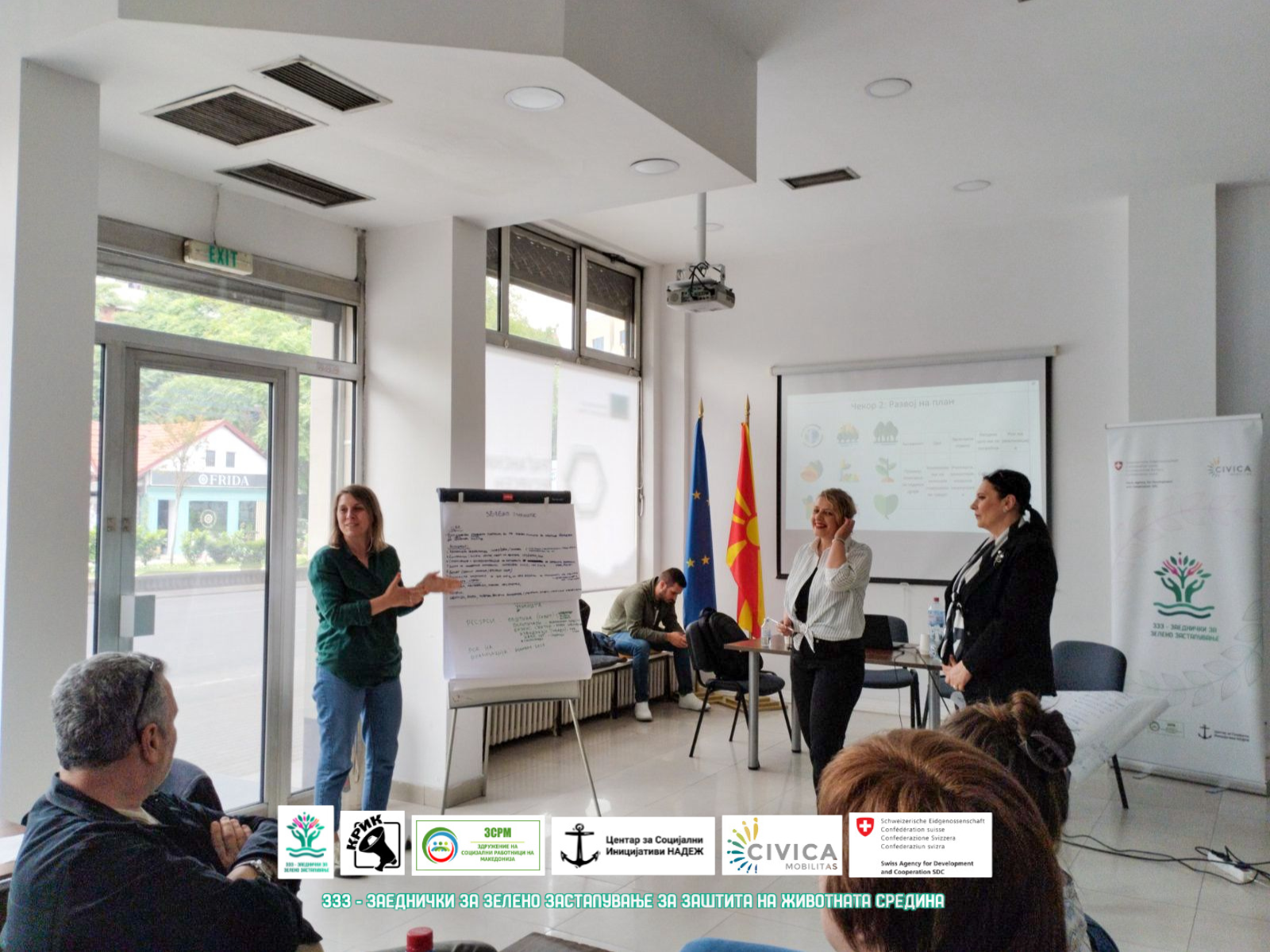
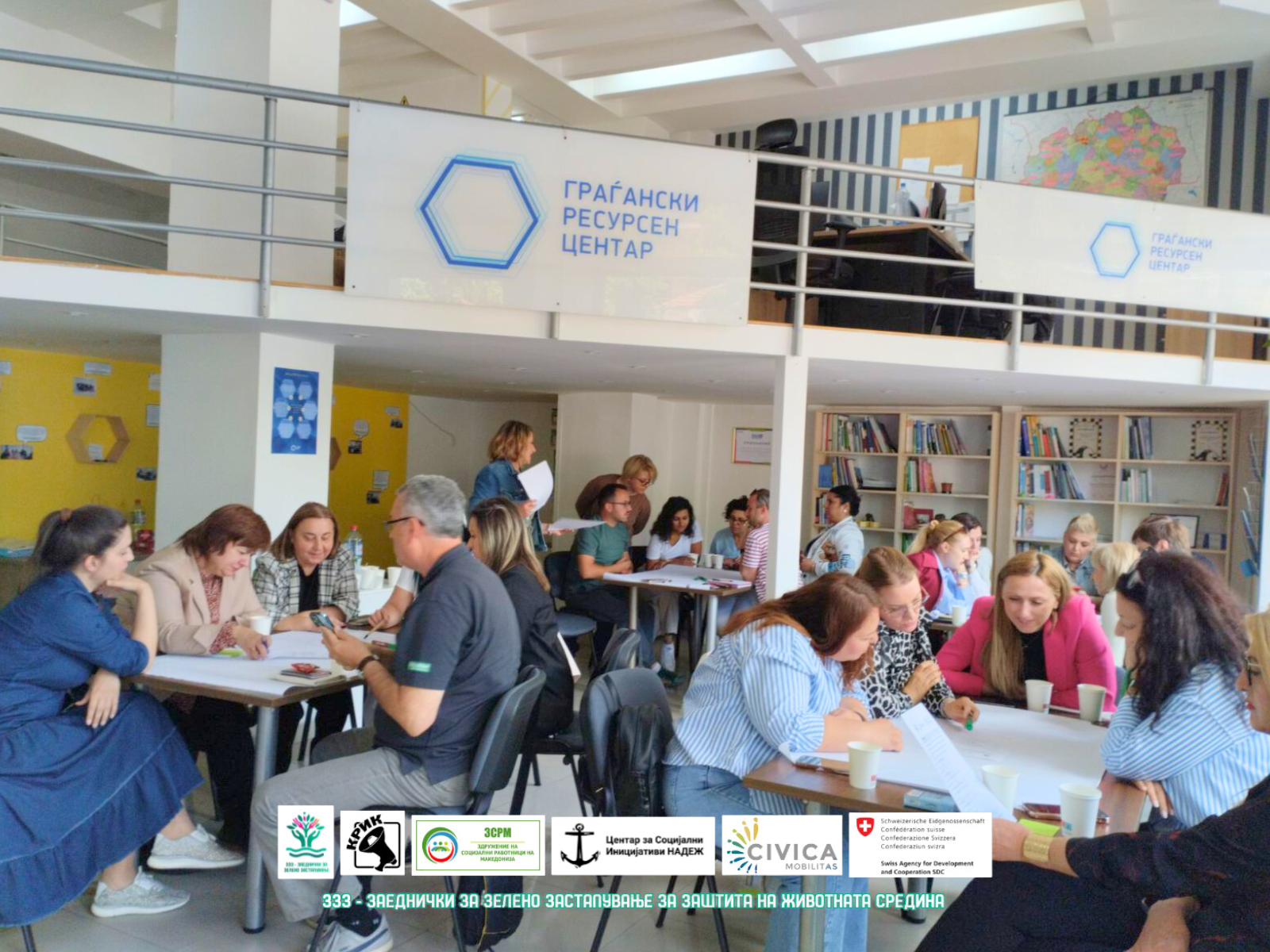
The second day started with the practical tool “Problem Tree,” through which participants identified environmental and social challenges in their communities. They then set advocacy goals and mapped key stakeholders – essential steps in shaping a successful initiative. During the afternoon, groups worked on developing advocacy strategies and communication plans, elaborating concrete project ideas that included resource mobilization and sustainability measures.
Day Three – Implementation, Monitoring, and Sustainability
The final day was dedicated to the practical aspects of implementation: monitoring, evaluation, and ensuring the long-term sustainability of initiatives. Participants finalized their action plans, defining success indicators and mechanisms for ongoing support. Special attention was given to youth engagement through activism, volunteering, and internships, as a driving force for sustainable change.
Results and Next Steps
The training concluded with a group evaluation and a shared commitment to future collaboration. Participants expressed high motivation to apply the knowledge gained in developing and implementing green initiatives in their communities. The training also expanded the network of professionals and activists dedicated to environmental protection and the promotion of social justice.